

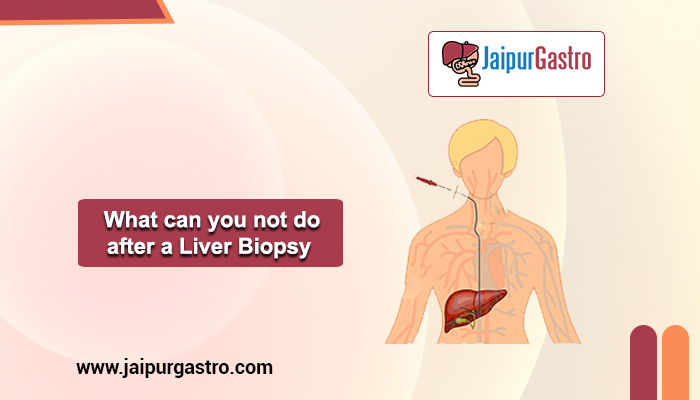
A liver biopsy helps doctors understand what’s really happening inside the liver. The doctor takes a small tissue sample from the liver and examines it under a microscope. This tissue reveals signs of inflammation, scarring, infection, or disease. Doctors often recommend a biopsy after spotting early causes of liver failure through other tests, since a closer look at the tissue gives a clearer diagnosis.
The procedure itself takes very little time. But what you do afterward matters just as much. Knowing what not to do after a liver biopsy helps you avoid complications and heal faster.
How the Liver Biopsy Procedure Works
A doctor inserts a thin needle through the skin to collect a small liver tissue sample. Local anaesthesia numbs the area first, and image guidance keeps the process precise. You can read our full breakdown of the liver biopsy procedure to understand each step.
In some cases, doctors use an endoscopic biopsy approach instead. This method works well when the tissue sits in a spot that’s harder to reach directly. We’ve also covered how this technique works and its key benefits over other diagnostic methods, in case you want to compare your options.
Things to Avoid After a Liver Biopsy
Your body needs time to heal at the biopsy site. Certain activities slow this healing down or raise your infection risk. Here’s what to avoid.
Don’t Lift Heavy Objects
Avoid lifting anything over 10 pounds for the first few days. Heavy lifting strains your abdominal muscles and puts pressure directly on the biopsy site. This pressure can trigger internal bleeding or delay healing.
Don’t Swim
Stay out of the water for 7 to 10 days. Pools and open water carry bacteria that can infect the biopsy site before it fully heals.
Avoid Intense Physical Activity
Skip running, gym workouts, or anything that strains your abdomen. These activities increase pressure at the biopsy site and can lead to internal bleeding in rare cases.
Don’t Shower Right Away
Wait at least 24 hours before showering. This gives the small incision time to start closing before it meets water.
Avoid Heavy or Spicy Food
Choose light meals over heavy, oily, or spicy food for the first day or two. Plain rice, toast, and yogurt work well during this window. Skip any foods that usually upset your stomach or trigger allergies.
Don’t Skip Your Medicines
Take every dose your doctor prescribes, even if you feel fine. These medicines control pain and lower your infection risk. Skipping doses can slow your recovery.
Don’t Ignore Warning Signs
Watch your body closely after the procedure. Contact your doctor immediately if you notice shortness of breath, dizziness, worsening abdominal pain, blood in your stool, chest pain, fever, nausea, vomiting, or redness and swelling at the site. Our guide on when you should visit a gastroenterologist walks you through these red flags in detail. If your symptoms point toward something more serious, our article on acute liver failure signs can help you recognise them early.
Liver Biopsy Aftercare and Recovery Timeline
Good aftercare goes beyond avoiding the wrong activities. It also means actively supporting your body’s recovery. Most people resume their normal routine within a few days. Full healing, however, can take up to two weeks.
Curious about the full timeline? Our detailed guide on liver biopsy recovery covers what to expect at each stage. Once you’re past the initial recovery, focus on your liver’s long-term health. This piece on keeping your liver healthy offers practical, doctor-backed tips worth following.
Choosing the Right Doctor for Your Biopsy
A liver biopsy demands precision, so experience matters. Our list of leading gastroenterologists in India shows you what to look for in a specialist’s background and track record.
In Jaipur, patients regularly choose Jaipur Gastro Care for a safe, well-guided liver biopsy procedure in Jaipur. The team explains every step beforehand and supports you through recovery.
Consult a Trusted Gastroenterologist in Jaipur
Knowing what not to do after a liver biopsy can protect you from unnecessary complications. Dr. Shankar Dhaka, a well-known Gastroenterologist in Jaipur, brings years of experience performing liver biopsies and Endoscopic Biopsy Treatment in Jaipur.
He explains the full procedure before you begin, so you know exactly what to expect and what not to do after a liver biopsy. This clarity makes your recovery far less stressful.
Frequently Asked Questions
How serious is a biopsy of the liver?
A liver biopsy is generally safe when an experienced doctor performs it. Like any needle-based procedure, it carries small risks such as bleeding, infection, or discomfort at the site. Serious complications remain uncommon, and most patients recover fully when they follow proper aftercare.
How painful is a liver biopsy procedure?
Local anaesthesia numbs the area before the procedure begins, so you’ll likely feel pressure rather than sharp pain. Mild soreness at the site is common for a day or two afterward, and prescribed pain relief usually manages it well.
What percentage of liver biopsies show cancer?
This depends heavily on why your doctor recommended the biopsy. Biopsies done to investigate a suspicious liver mass confirm cancer in a meaningful share of cases. Biopsies done for general liver disease evaluation, like fatty liver or hepatitis, rarely show cancer. Your doctor can give you a more accurate picture based on your imaging results.
Can cancer spread after a biopsy?
Cancer spreading along the needle path, known as needle tract seeding, happens extremely rarely with modern biopsy techniques. Doctors take specific precautions during the procedure to minimise this risk, so it’s not a major concern for most patients.
How long do liver biopsy results take?
Results usually take a few days to about a week, depending on how complex the tissue analysis is. Your doctor will typically schedule a follow-up appointment once the lab completes its report.
Can you travel after a biopsy?
Short local travel is fine after your initial rest period. Avoid long-distance or international travel for at least a week, especially flights, since altitude changes and prolonged sitting can affect healing. Always check with your doctor before finalising travel plans.
