

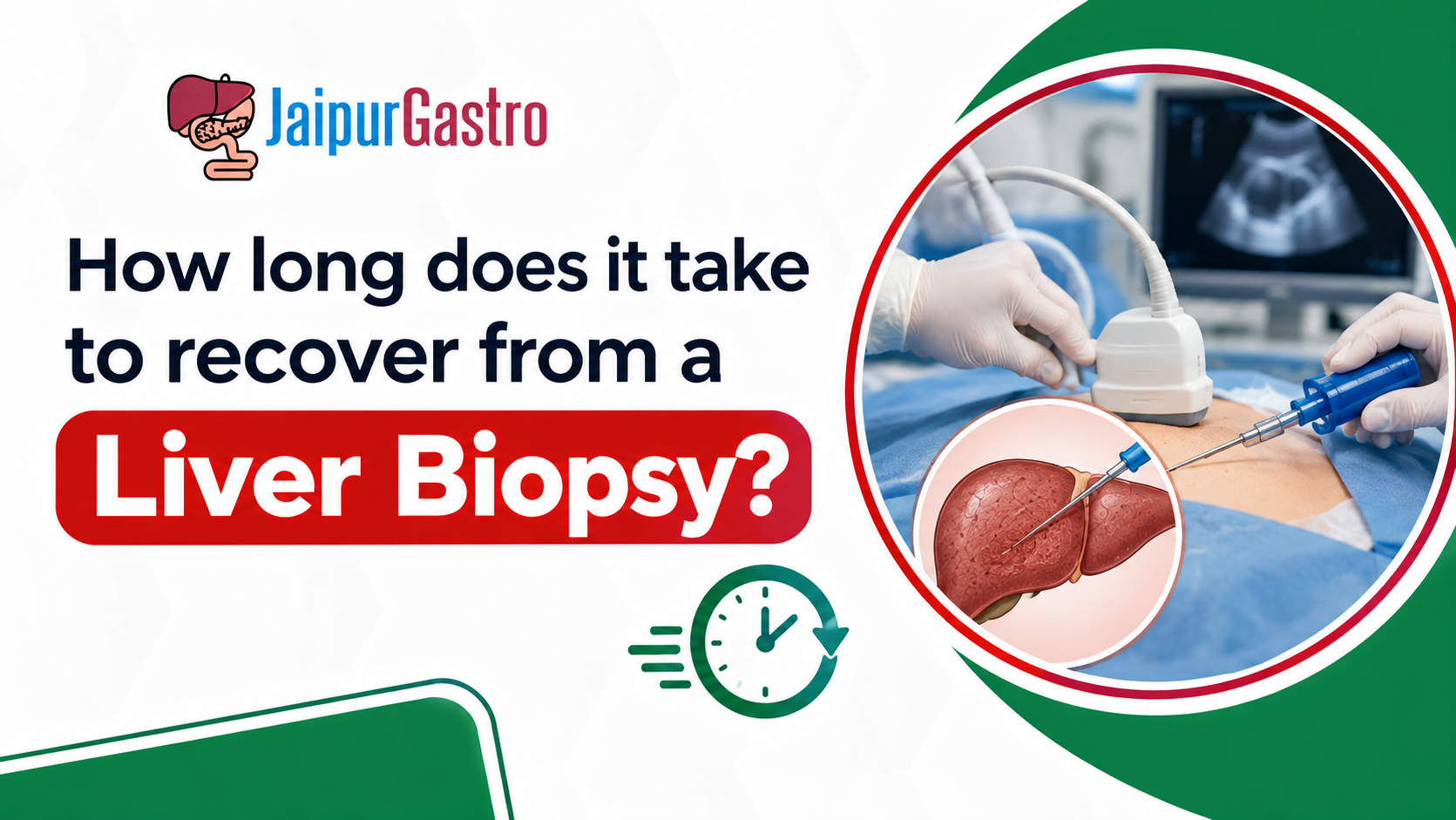
liver biopsy is one of the most reliable ways doctors confirm what’s actually happening inside your liver — but the question almost everyone asks before (and after) the procedure is simple: what is the liver biopsy recovery time, and when will I feel normal again?
In this updated guide, we’ll walk you through what a liver biopsy involves, why it’s done, what happens on the day of the procedure, and most importantly — a detailed breakdown of liver biopsy recovery time, aftercare, and possible side effects. If your doctor has recommended you undergo liver biopsy treatment in Jaipur, this article will help you know exactly what to expect.
What Is a Liver Biopsy?
A liver biopsy is a procedure in which a doctor removes a small sample of liver tissue so it can be examined under a microscope for signs of damage, disease, or infection. Doctors usually recommend a liver biopsy when blood tests or imaging scans suggest something may be wrong with the liver. The percutaneous liver biopsy — done through a needle inserted through the skin — is the most common type performed today.
Why Is a Liver Biopsy Performed?
A liver biopsy isn’t just a diagnostic formality — it plays a direct role in shaping your treatment plan. Doctors use it to:
- Identify the exact cause of liver-related problems
- Collect a tissue sample from an abnormality spotted during an imaging test
- Plan the most effective treatment based on the severity of symptoms
- Monitor liver health and function after a liver transplant
When Does a Doctor Recommend a Liver Biopsy?
Your doctor may suggest a liver biopsy if:
- Blood tests show abnormal liver function that can’t be explained otherwise
- Imaging scans reveal a tumor or unusual growth in the liver
- You have chronic Hepatitis B or Hepatitis C
- You’ve been diagnosed with alcoholic liver disease, autoimmune hepatitis, primary biliary cirrhosis, or Wilson’s disease
If you’re experiencing any of these symptoms, it’s best to speak with an experienced liver specialist in Jaipur before your condition progresses further.
What to Expect During a Liver Biopsy
Not everyone is a candidate for a standard needle biopsy. Doctors may choose an alternative approach if you’re unable to stay still during the procedure, have a tumor located near the liver’s blood vessels, have excess fluid in the abdomen, or have an active liver infection.
On the day of the procedure, you can expect to be at a hospital or outpatient center. An IV line will be placed in your arm to administer medication, and the process itself is designed to be as relaxed as possible. It’s a good idea to use the restroom before the biopsy begins, since you’ll need to stay in bed for a few hours afterward.
Liver Biopsy Recovery Time: What Really Happens
This is the part most patients want clarity on — how long does it take to recover from a liver biopsy?
After the procedure, you’ll be moved to a recovery room where a nurse will closely monitor your blood pressure, breathing, and pulse for a few hours. It’s normal to feel mild soreness at the needle insertion site, and this discomfort can last anywhere from a few days up to a week.
Here’s a simple breakdown of the liver biopsy recovery timeline:
- First few hours: Rest under observation; vital signs are monitored closely
- First 24 hours: Avoid driving — arrange for someone to take you home
- First week: Avoid lifting anything heavier than 5–10 kg; mild soreness may persist
- After one week: Most patients can resume normal daily activities
In most cases, the liver biopsy recovery time is between one and two weeks, provided you carefully follow your doctor’s aftercare instructions.
Liver Biopsy Aftercare Tips
Good liver biopsy aftercare significantly reduces the risk of complications and speeds up healing. Keep these points in mind:
- Rest for the remainder of the day the biopsy is performed
- Avoid strenuous activity, heavy lifting, or exercise for at least a week
- Keep the biopsy site clean and dry as advised by your doctor
- Take medications and pain relief only as prescribed
- Watch the insertion site for unusual redness, swelling, or discharge
- Attend all follow-up appointments so your doctor can track your liver health
Liver Biopsy Side Effects
While a liver biopsy is generally a safe procedure, being aware of possible liver biopsy side effects helps you recognize what’s normal and what needs medical attention:
- Mild soreness or discomfort near the biopsy site (most common)
- Slight bruising around the insertion point
- Temporary shoulder pain, caused by irritation near the diaphragm
- Rarely, bleeding, infection, or injury to nearby organs
If you notice severe pain, persistent bleeding, fever, or dizziness after the procedure, contact your doctor immediately rather than waiting it out.
Frequently Asked Questions
How serious is a biopsy of the liver?
A liver biopsy is considered a minor procedure with a strong safety record, especially when performed by an experienced gastroenterologist. Like any procedure involving a needle, it carries a small risk of bleeding or infection, but serious complications are uncommon when proper precautions and aftercare are followed.
How painful is a liver biopsy procedure?
Most patients feel only mild discomfort rather than sharp pain, since a local anesthetic numbs the area before the needle is inserted. Some people report a brief pressure-like sensation or mild soreness afterward, which typically settles within a few days.
How long does it take to recover from a liver biopsy?
Most people recover within one to two weeks. You’ll typically rest for a few hours immediately after the procedure, avoid heavy lifting for about a week, and can return to your normal routine once the mild soreness at the insertion site subsides.
What are the first signs of a bad liver?
Early warning signs of liver trouble often include persistent fatigue, loss of appetite, nausea, yellowing of the skin or eyes (jaundice), dark urine, and pain or swelling in the upper right abdomen. If these symptoms persist, it’s important to get evaluated promptly.
Can you live a normal life after a liver biopsy?
Yes. A liver biopsy itself doesn’t affect your long-term lifestyle — it’s simply a diagnostic step. Once you’ve recovered from the procedure (usually within one to two weeks), you can resume your normal daily routine, work, and activities as advised by your doctor.
Can I live 50 years after a liver transplant?
Long-term survival after a liver transplant has improved significantly with modern medicine, and many patients go on to live for decades with a healthy, active lifestyle. Actual outcomes depend on factors like age, overall health, adherence to post-transplant care, and regular medical follow-ups.
What are the 7 signs that my liver is failing?
Common warning signs of liver failure include jaundice (yellowing of skin/eyes), severe fatigue, nausea and vomiting, abdominal swelling or fluid buildup, easy bruising or bleeding, confusion or difficulty concentrating, and dark urine with pale stools. If you notice several of these together, seek medical attention right away.
For more on liver conditions and how they develop, read our detailed guide on liver diseases, their types, symptoms, and more.
Final Thoughts
Now you have a clear picture of what to expect during liver biopsy recovery time — from the first few hours of monitoring to getting back to your everyday routine within one to two weeks. If you suspect your liver might need attention, don’t wait for symptoms to worsen.
Consult with Dr. Shankar Dhaka, a trusted gastroenterologist in Jaipur, for expert guidance on liver biopsy and treatment. You can also check our FAQ page for more commonly asked questions about liver health and related procedures.
