

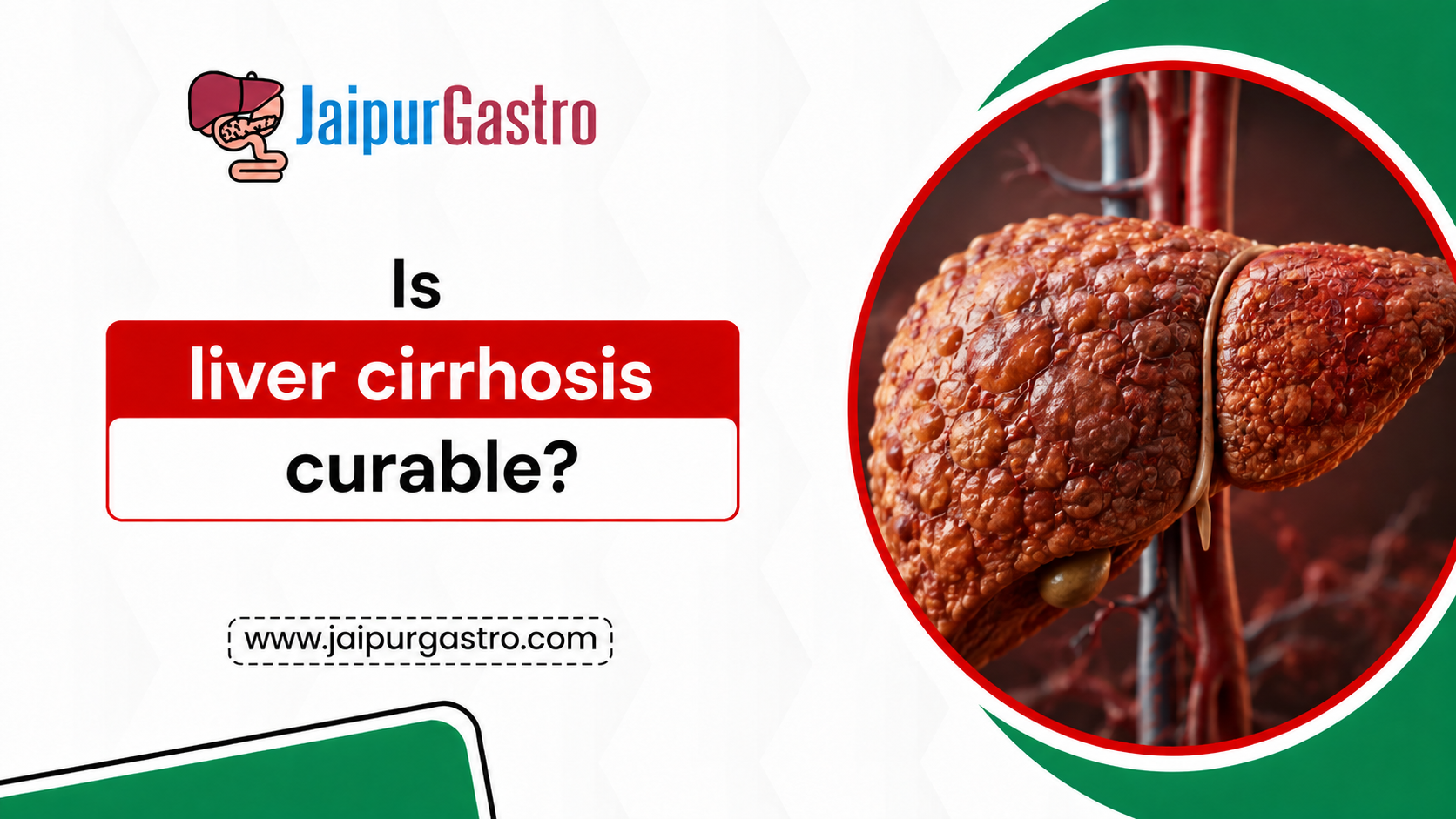
Is Liver Cirrhosis Curable?
Liver cirrhosis is a condition in which healthy liver tissue is gradually replaced by scar tissue, a process known as scarring. It usually develops due to long-term liver damage caused by chronic alcohol consumption, hepatitis infections, or other underlying liver conditions. Whenever the liver is damaged, whether from disease, alcohol use, or another cause, it tries to repair itself. But over time, repeated damage reaches a stage where the liver simply can’t heal on its own anymore, and scar tissue takes the place of healthy tissue.
This naturally leads to one of the most common questions patients ask: is liver cirrhosis curable? If you’ve been wondering the same thing, this blog will walk you through what’s actually possible when it comes to managing and treating this condition.
Is Liver Cirrhosis Curable?
To answer directly, liver cirrhosis is not curable, but it is treatable. This is an important distinction to understand. Once scar tissue has formed in the liver, that specific damage generally cannot be undone. However, with the right medical care, further progression can often be slowed down or even stopped altogether.
When you consult a Gastroenterologist in Jaipur, they will assess the current condition of your liver and set clear treatment goals. These goals typically focus on stopping further damage, managing symptoms, and preventing complications from developing. So while the question “is liver cirrhosis curable” doesn’t have a simple yes, the good news is that the condition can be managed effectively with consistent care.
Can Cirrhosis Be Reversed?
This is another question that comes up frequently, and the answer depends largely on the stage of the disease. In its early stages, when damage is still limited, can cirrhosis be reversed becomes a more hopeful question — some liver function can improve once the underlying cause, such as alcohol use or untreated hepatitis, is addressed. However, once cirrhosis reaches an advanced stage, the scarring becomes permanent, and is liver cirrhosis reversible turns into a question of managing what function remains rather than restoring what’s been lost.
This is precisely why early diagnosis matters so much. The sooner cirrhosis is caught, the more realistic it becomes to preserve liver function and avoid further complications.
Can Liver Damage From Cirrhosis Be Reversed?
It’s worth separating two related ideas here. Can liver damage from cirrhosis be reversed in terms of scar tissue itself — generally, no, once significant scarring has set in. But the liver is a remarkably resilient organ, and healthy portions of it can often continue functioning well if the disease is controlled early and the root cause is treated. This is why doctors focus heavily on halting progression rather than chasing a full reversal once cirrhosis has advanced.
Liver Cirrhosis Treatment
Now let’s look at what liver cirrhosis treatment actually involves. While there’s no single liver cirrhosis cure, a combination of lifestyle changes, medication, and regular monitoring can make a significant difference in how the disease progresses:
- Avoid alcohol consumption completely, since it’s one of the leading contributors to the progression of cirrhosis.
- Manage your weight, especially if you’re dealing with obesity, as fat buildup in the liver can accelerate damage.
- Stay consistent with hepatitis medication. If you have hepatitis B or C, taking prescribed medicines on time is essential, since the condition can worsen without proper management.
- Follow a protein-rich diet, as patients with cirrhosis often have higher protein requirements than usual to support liver function and muscle health.
- Maintain good hygiene, since infections can be harder for a cirrhotic liver to fight off compared to a healthy one.
- Keep up with regular visits to your gastroenterologist, as your treatment plan, including medications, may need to be adjusted over time based on how your liver is responding.
If you’re looking for detailed, structured guidance on nutrition alongside treatment, this diet plan for liver cirrhosis patients covers what to eat and what to avoid in more depth.
When Should You Approach a Gastroenterologist?
Certain symptoms indicate that it’s time to see a specialist without delay. These include:
- Lack of appetite
- Unexplained weight loss
- Nausea
- Intense itching
- Jaundice (yellowing of the skin and eyes)
- Spider-web-like blood vessels visible on the skin
- Redness on the palms
- Brownish or dark-colored urine
- Persistent fever
- Vomiting blood
- Bone-related issues
- An enlarged spleen
If you notice any of these symptoms, don’t wait to seek medical attention. Early evaluation and prompt liver cirrhosis treatment in Jaipur can make a meaningful difference in how the condition is managed going forward. Some of these symptoms, like jaundice, can also point to other liver issues, so it helps to understand what stage of jaundice is considered dangerous as part of getting the full picture.
In more advanced cases, fluid buildup in the abdomen, known as ascites, can also develop as a complication of cirrhosis, which is why prompt ascites treatment is often part of the broader care plan.
Living With Cirrhosis: What to Expect
Although liver cirrhosis cannot be cured, receiving a proper diagnosis and starting treatment marks the beginning of a more stable, less stressful life. Many patients manage the condition well for years with consistent care, dietary discipline, and regular monitoring. That said, cirrhosis can be unpredictable, and there may be moments when symptoms feel overwhelming or difficult to manage. This is exactly why staying connected with your doctor, rather than trying to manage things alone, makes such a difference.
Making sustainable lifestyle changes also plays a bigger role than most people realize. Small, consistent choices around diet, alcohol avoidance, and general liver health habits can meaningfully support whatever liver function remains, even after a cirrhosis diagnosis.
Final Thoughts
So, is liver cirrhosis curable? Not in the sense of completely reversing existing damage, but it is very much treatable when caught and managed properly. The focus of treatment is to stop further damage, control symptoms, and help you maintain the best possible quality of life. If you’re noticing any warning symptoms or have already been diagnosed with liver cirrhosis, don’t delay — reach out to a specialist and start your treatment journey today.
Frequently Asked Questions
Is liver cirrhosis curable?
No, liver cirrhosis is not curable in the sense of fully reversing scar tissue, but it is treatable. With the right treatment plan, further liver damage can often be slowed or stopped.
Can liver cirrhosis be cured completely?
Not completely, especially once cirrhosis reaches an advanced stage. Treatment instead focuses on preventing further damage, easing symptoms, and preserving remaining liver function.
Can cirrhosis be reversed in its early stages?
In early stages, some liver function may improve once the underlying cause is treated, but the scar tissue that has already formed generally remains permanent.
Is liver cirrhosis reversible at any stage?
Reversibility largely depends on how early the condition is caught. Early-stage cirrhosis offers more room for improvement, while advanced cirrhosis is typically managed rather than reversed.
What is the life expectancy with liver cirrhosis?
Life expectancy varies widely depending on the stage of cirrhosis, the underlying cause, and how well the condition is managed. Many patients live for years with proper treatment and lifestyle changes.
What foods should be avoided with liver cirrhosis?
Alcohol, excess salt, fried and processed foods, and red meat are generally best avoided, as they can put additional strain on the liver.
Can a healthy lifestyle slow down liver cirrhosis progression?
Yes. Avoiding alcohol, eating a balanced protein-rich diet, managing weight, and following your doctor’s treatment plan can meaningfully slow disease progression.
When should I see a doctor for liver cirrhosis symptoms? ‘
If you notice symptoms like jaundice, unexplained weight loss, persistent fatigue, swelling in the abdomen, or vomiting blood, you should consult a gastroenterologist right away.
