

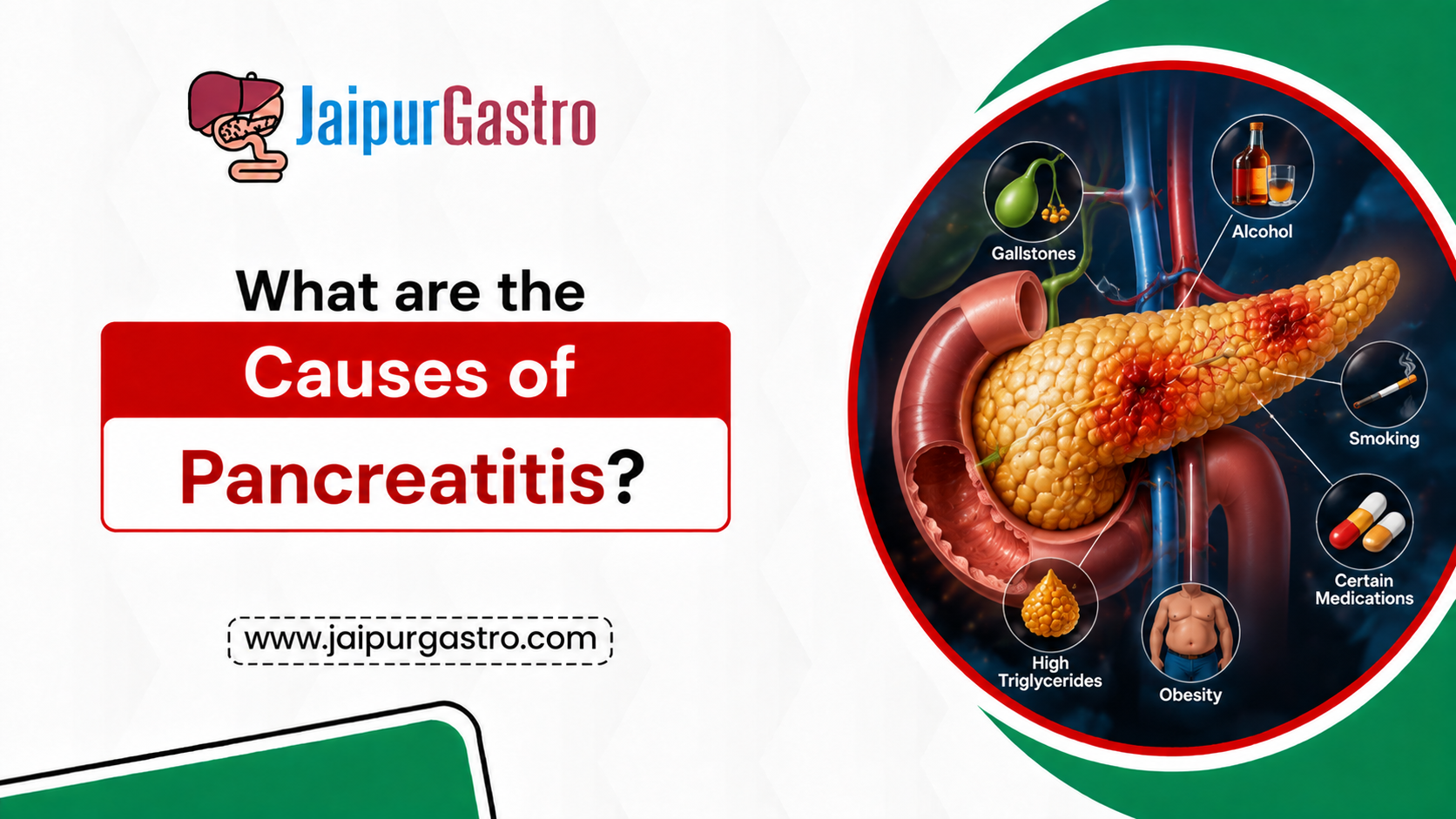
Pancreatitis is a condition in which the pancreas stops working the way it should. The pancreas is a small but powerful gland that helps in digesting food and regulating blood sugar levels in the body. Once a person goes through pancreatitis, these functions get disturbed, and the body starts showing signs of poor digestion and irregular sugar levels.
Understanding the causes of pancreatitis makes it much easier for a person to take the right precautions so that the condition does not progress further, and if it has already developed, the treatment becomes more effective. If you or your family member is dealing with this condition, it is advisable to go for pancreatitis treatment in Jaipur under the supervision of a qualified doctor with sufficient experience in handling such cases.
Understanding Pancreatitis Before Knowing the Causes
Before jumping directly to the causes, it is important to understand how the condition actually begins. The pancreas produces digestive enzymes that normally become active only after they reach the small intestine. In pancreatitis, these enzymes start becoming active while they are still inside the pancreas. This irritates the cells of the pancreas, and inflammation takes place.
If this inflammation is not controlled in time, it can turn into chronic pancreatitis, a long-term condition that can permanently damage the pancreas and its ability to function. This is why an early visit to a Gastroenterologist in Jaipur is always recommended, so that the right diagnosis and treatment plan can begin as soon as possible. You can also read more about the causes of chronic pancreatitis to understand how a long-standing case differs from an acute one.
Causes of Pancreatitis
1. Alcohol Consumption
Alcohol consumption is considered one of the primary causes of pancreatitis. People who consume alcohol regularly and in large quantities are at a much higher risk of developing this condition over time, as alcohol directly affects the way the pancreas functions.
2. Abdominal Surgery
In some cases, abdominal surgery can act as a trigger for pancreatitis. The exact medical reason behind this relationship is still not completely clear, but doctors have observed that certain abdominal surgeries can be linked to the development of pancreatitis afterward.
3. Cystic Fibrosis
Cystic fibrosis is a serious, life-threatening disorder that affects the lungs as well as the digestive system. In several cases, it blocks the normal passage of digestive enzymes, which in turn leads to pancreatitis.
4. Gallbladder Stones
If gallbladder stones are left untreated, or a person keeps delaying a visit to the doctor, it can turn out to be a costly mistake. Gallbladder stones are one of the most common contributors to pancreatitis and can also lead to several other digestive complications if ignored for too long.
5. Infections
Certain infections can also lead to pancreatitis. These infections could be related to a specific allergy or could develop after consuming a particular type of food. Regardless of the source, an infection can have a direct impact on how well the pancreas functions.
6. High Calcium Levels
High calcium levels in the blood usually occur due to an overactive parathyroid gland, a condition known as hyperparathyroidism. This excess calcium in the bloodstream is also known to contribute to the development of pancreatitis.
7. Hypertriglyceridemia
Hypertriglyceridemia, or unusually high triglyceride levels in the blood, is another recognised cause of pancreatitis. If you have been diagnosed with this condition, it is important to consult a doctor immediately for the right treatment plan.
8. Injury to the Abdomen
An injury to the abdomen can also lead to pancreatitis, depending on which part of the abdomen has been affected. If the injury occurs on the same side as the pancreas, the chances of developing pancreatitis increase significantly.
These are some of the most common causes behind pancreatitis, though there can be other contributing factors as well. Being mindful of your lifestyle, diet, and overall health can go a long way in preventing this condition. And if acute pancreatitis does occur, timely medical care makes recovery much easier. You can read this detailed guide on pancreatitis to understand the condition, its symptoms, and its management in a more comprehensive way.
How to Reduce the Risk of Pancreatitis
- Limit or avoid alcohol consumption as much as possible.
- Get gallbladder stones treated as early as possible instead of ignoring the symptoms.
- Keep a check on your blood calcium and triglyceride levels through regular tests.
- Follow a balanced, low-fat diet and maintain a healthy body weight.
- Avoid smoking, as it is also known to increase the risk of pancreatitis.
- Consult a specialist promptly in case of any abdominal pain, especially after an injury or surgery.
FAQs on Causes of Pancreatitis
1. What is the most common cause of pancreatitis?
Alcohol consumption and gallbladder stones are considered the two most common causes of pancreatitis in most patients.
2. Can pancreatitis be caused by something other than alcohol?
Yes, pancreatitis can also be caused by gallbladder stones, high calcium levels, hypertriglyceridemia, infections, abdominal injury, abdominal surgery, and conditions like cystic fibrosis.
3. Is pancreatitis caused by diet alone?
Diet alone does not directly cause pancreatitis, but a high-fat diet can contribute to gallbladder stones and high triglyceride levels, both of which are known causes of the condition.
4. Can chronic pancreatitis develop from acute pancreatitis?
Yes, if acute pancreatitis is not treated on time or the underlying cause is not addressed, it can progress into chronic pancreatitis, which causes long-term damage to the pancreas.
5. Does abdominal surgery always cause pancreatitis?
No, not every abdominal surgery leads to pancreatitis. It only happens in certain cases, and doctors are still studying the exact reason behind this connection.
6. Can high calcium levels really lead to pancreatitis?
Yes, high calcium levels, often caused by an overactive parathyroid gland, can trigger inflammation in the pancreas and lead to pancreatitis.
